July 20, 2026
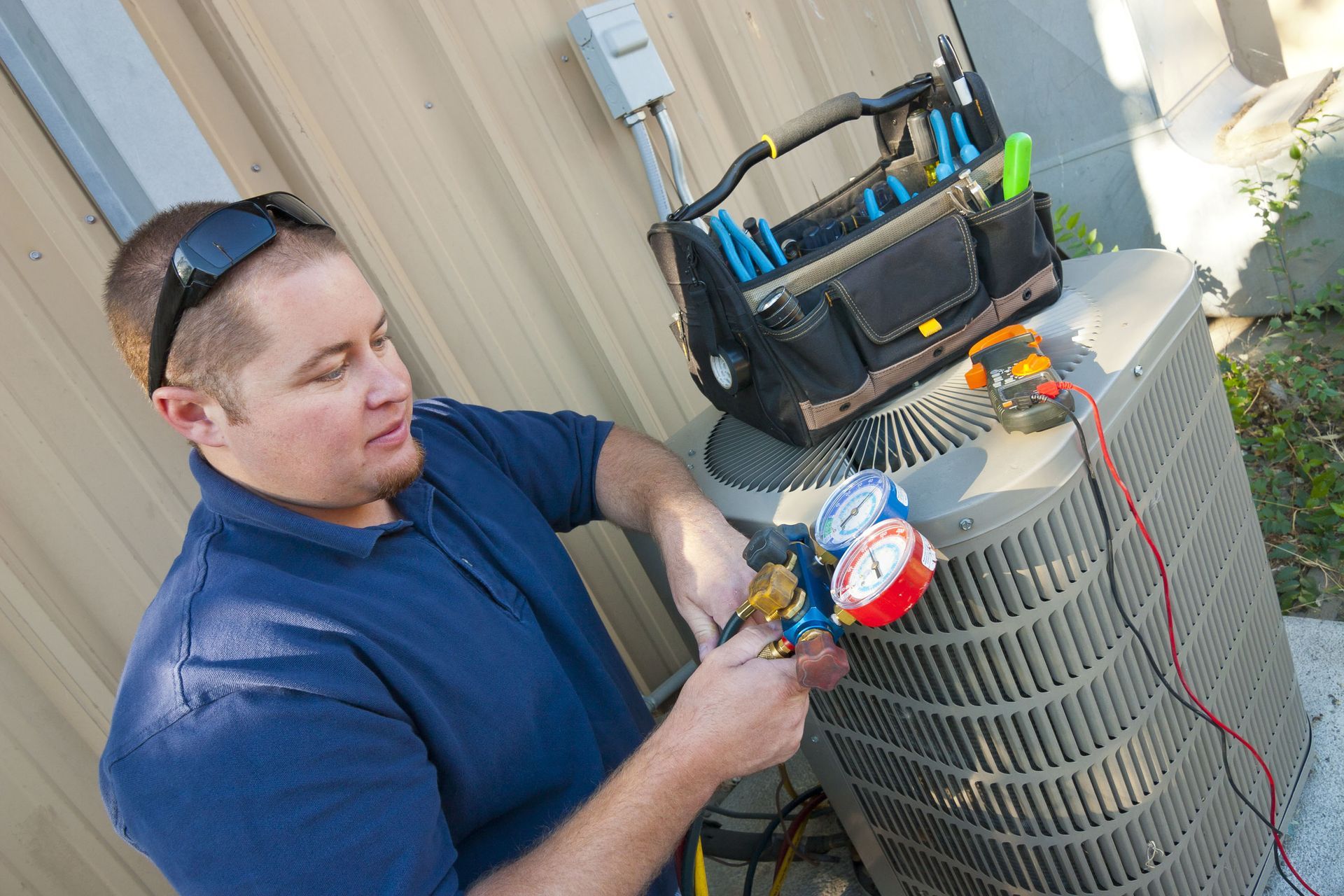
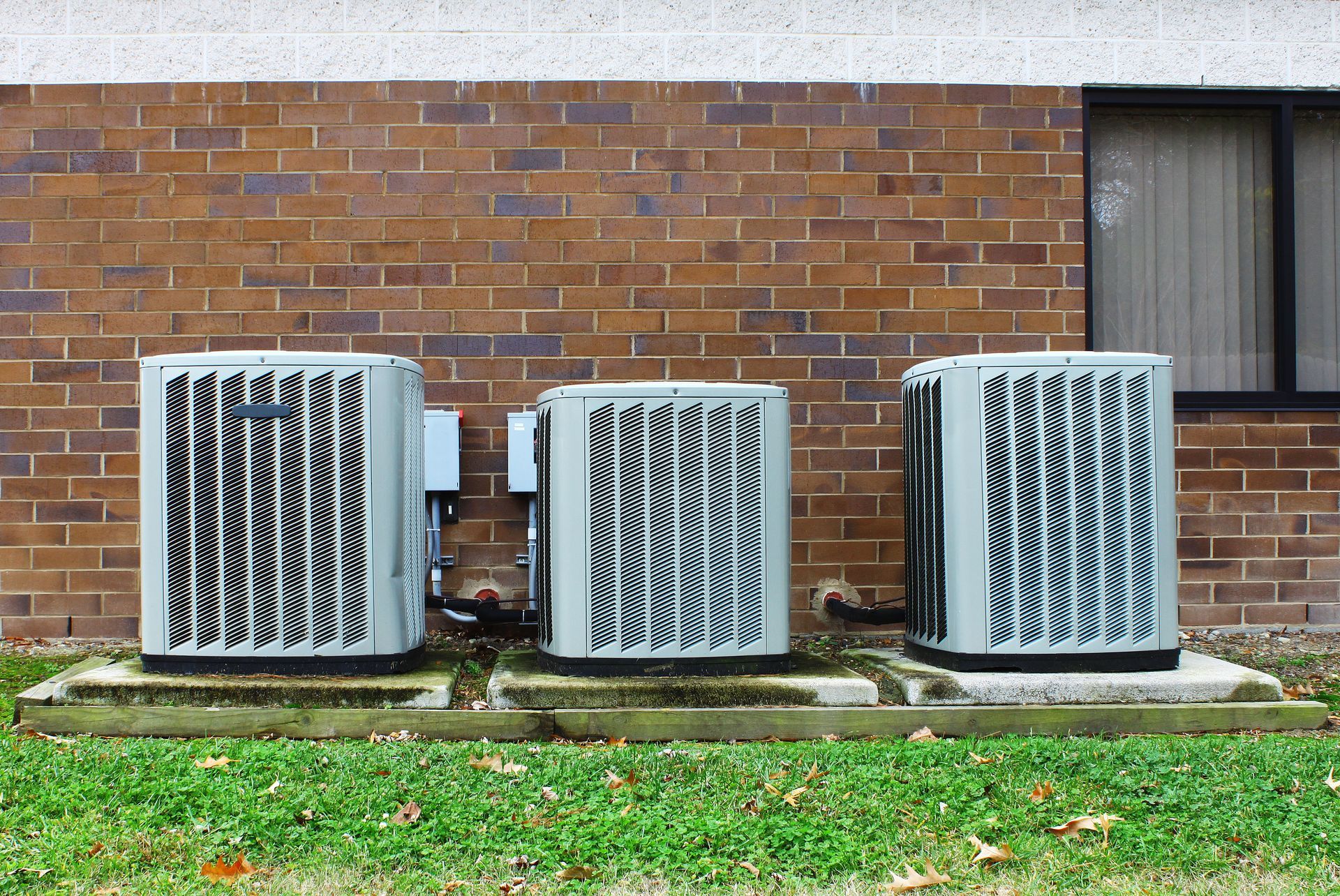
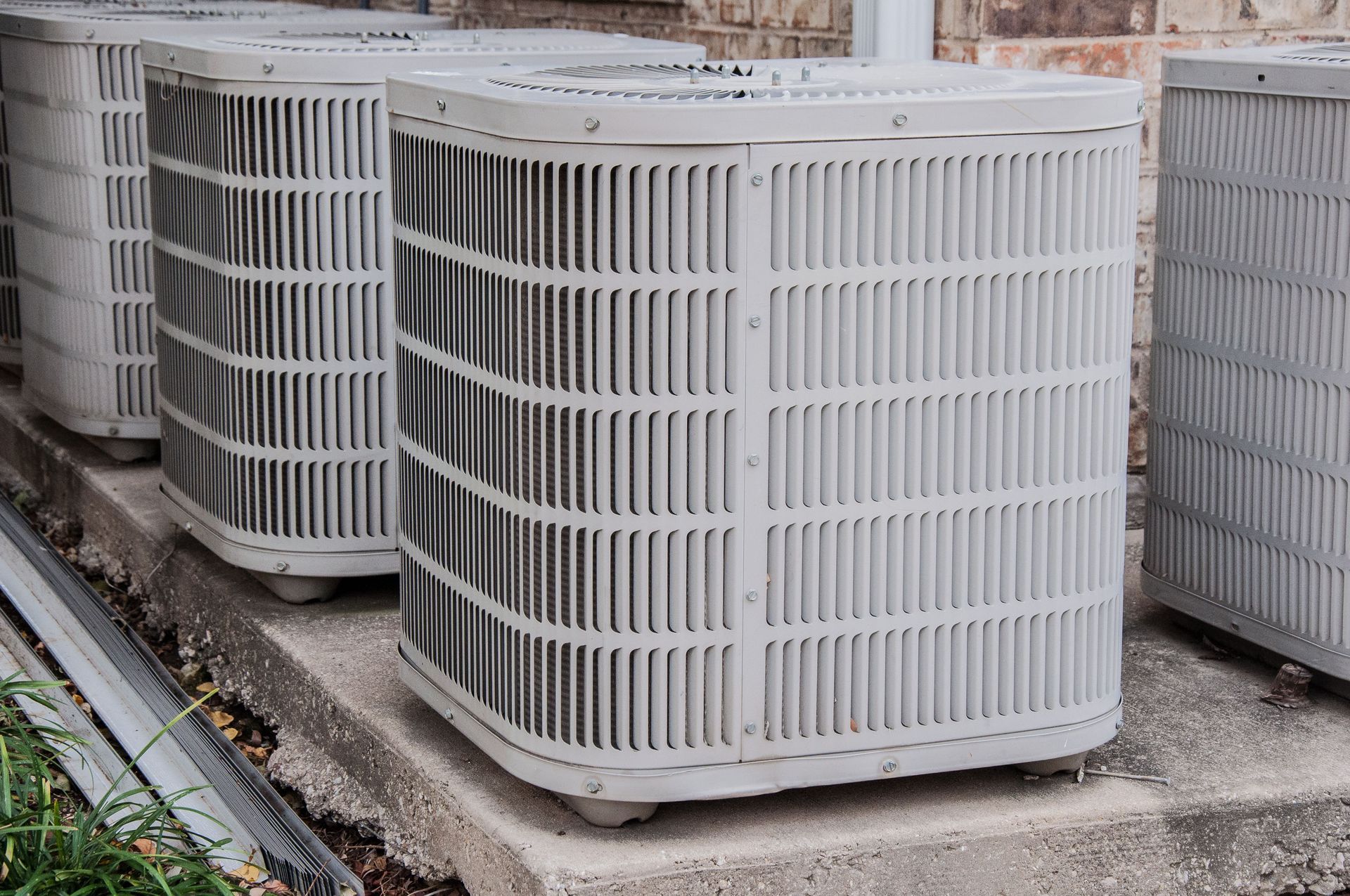
Finding the right professional to handle your home cooling system is vital to ensure a comfortable indoor living environment throughout the year. When you need to replace an outdated unit or install high-efficiency equipment for the first time, selecting a qualified AC contractor can significantly influence the performance and lifespan of your investment. Poorly executed installation work or neglected maintenance can result in unexpected system breakdowns and premature equipment failure. Verifying the expertise of your service professional ensures that your system operates reliably when outdoor temperatures climb.
Navigating the process of choosing a heating and cooling specialist requires careful preparation and an understanding of what makes a provider reliable. Property owners must look past basic marketing claims and closely examine verified qualifications, safety protocols, and long-term support options. By establishing a clear method for evaluating potential service providers, you can protect your property and enjoy consistent indoor comfort. This guide walks you through the essential steps needed to make an informed decision for your residential cooling needs.
Assess Your Home Cooling Needs
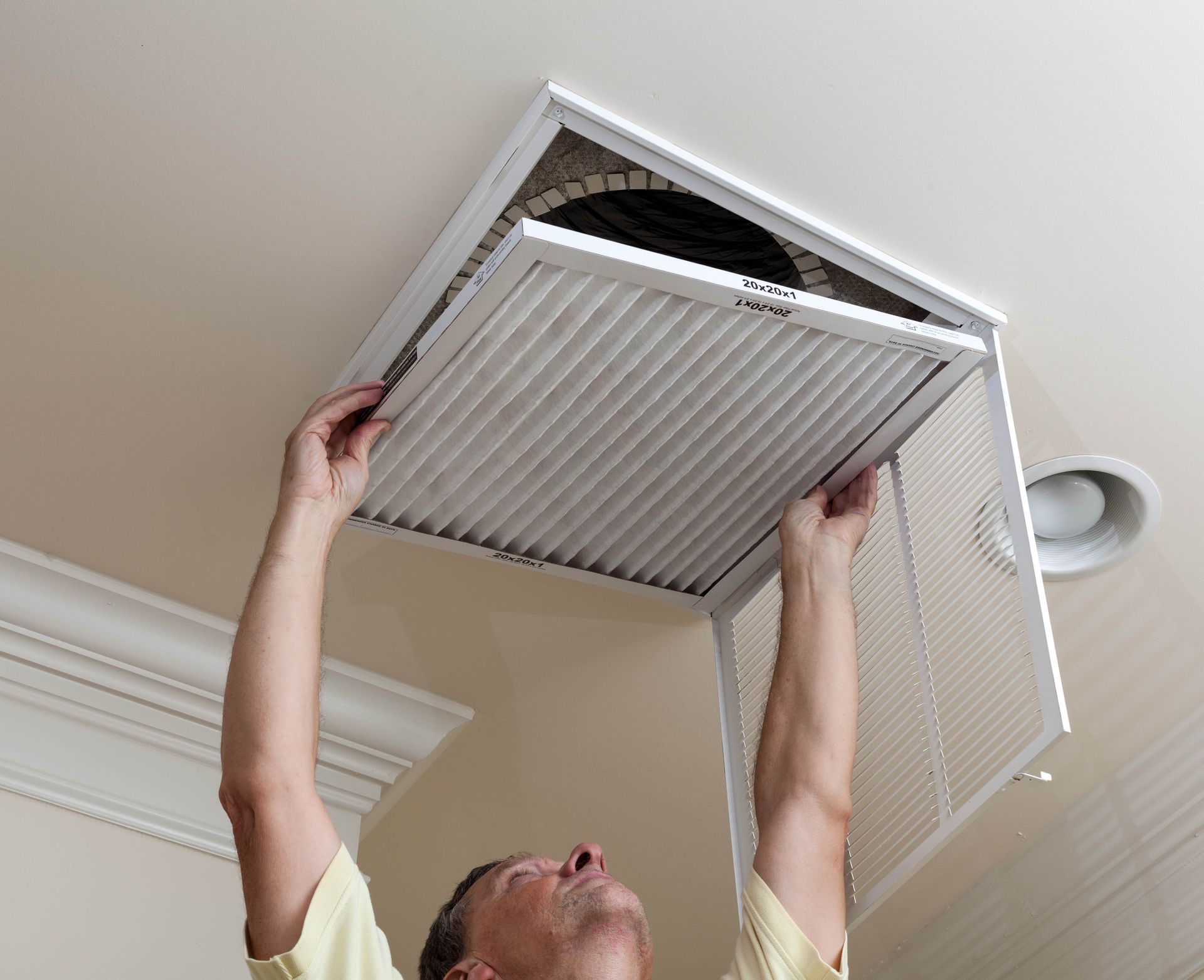
Before reaching out to a professional, you should evaluate the performance of your current cooling setup to determine the exact scope of your upcoming project. Take note of persistent issues such as uneven airflow across different rooms, unusual operational sounds, or a general decline in indoor air quality. Documenting the history of your equipment, including past component replacements, gives a service provider an excellent baseline for diagnosing your home's needs. This helps you determine whether your residence needs a detailed system tune-up or a mini-split installation.
Evaluating your long-term comfort requirements involves considering energy efficiency and future system maintenance plans. Modern cooling systems offer excellent energy-saving features, such as advanced HVAC zoning capabilities, which allow you to manage the climate in specific areas independently. It is wise to consider your daily usage habits and look for systems with high energy efficiency ratings that match your household needs. Securing a comprehensive seasonal maintenance agreement with your chosen professional ensures that your equipment remains in peak condition.
Research Potential Service Professionals
The process of gathering a list of potential companies should begin with trusted recommendations from family, neighbors, and local business networks. Personal referrals often provide the most honest insights into the punctuality, communication skills, and overall workmanship of a local AC contractor. In addition to personal word-of-mouth recommendations, reviewing online platforms can help you identify local companies with a consistent history of positive feedback. Look for detailed patterns in customer testimonials, focusing on how a company handles customer service inquiries and complex installation challenges.
Examining the overall size and growth of the industry can also highlight the importance of choosing an established, fully licensed business. According to an industry report from IBISWorld, the total economic market size of the heating and air-conditioning contractors sector across the United States has reached $159.4bn in 2026. This massive scale means property owners have numerous options, making thorough vetting absolutely essential for finding top-tier expertise. You should prioritize companies that hold elite manufacturer certifications, which demonstrate that their technicians receive ongoing technical training.
Evaluate Detailed Project Proposals
Once you have selected a few reputable companies, you should request a comprehensive, written overview of the project scope from each candidate. A professional proposal should clearly outline the specific equipment models suggested, the scope of the labor required, and the estimated timeline for completion. Comparing these detailed breakdowns allows you to see exactly what each company includes in their service package, such as duct inspections. Avoid accepting vague verbal agreements, as written clarity prevents misunderstandings regarding the work being performed.
Beyond the initial installation details, you must carefully review the long-term protection policies, manufacturer warranties, and labor guarantees attached to each proposal. A reliable AC contractor will confidently stand behind their craftsmanship by providing clear assurances regarding their installation quality and component reliability. It is beneficial to clarify how the company handles warranty registration and what specific maintenance actions are required to keep those protections valid over time. Choosing a provider that offers strong, transparent guarantees ensures that your cooling equipment remains protected against unexpected mechanical issues.
Verify Legal and Safety Compliance
Confirming that your chosen professional holds all necessary legal qualifications and active credentials is a non-negotiable step in protecting your property. A qualified AC contractor must possess a valid state specialty license, which proves they have met rigid industry standards and understand local building codes. You should proactively request the company's license number and verify its status through official portals before signing any contract. Working with a properly credentialed business ensures that your installation project complies fully with safety guidelines.
In addition to licensing, you must confirm that the company carries comprehensive liability insurance and workers' compensation coverage. This insurance protection shields you from legal liabilities in the rare event of accidental property damage or technician injury during the project. It is also excellent practice to ask about the specific safety protocols the team follows while working on site, such as proper refrigerant handling and electrical safety checks. Companies that prioritize rigorous safety training and maintain valid insurance demonstrate a true commitment to professionalism and client protection.
Establish Clear Lines of Communication
Successful home improvement projects depend heavily on maintaining open, transparent communication channels between the homeowner and the service team. From your very first interaction, observe how promptly the office staff responds to your inquiries and how clearly the technicians explain technical details. A reliable company will assign a primary point of contact who can address your questions, provide schedule updates, and coordinate delivery. Establishing clear communication habits early in the process prevents project delays and ensures both parties remain aligned.
It is equally important to discuss how the team approaches unexpected challenges or necessary adjustments that may arise during a mini-split installation or duct overhaul. Ask the AC contractor about their specific problem-solving strategies and how they communicate project milestones or unforeseen structural adjustments. A professional business will always involve you in the decision-making process rather than making major alterations without your direct approval. Agreeing on a clear framework for feedback and conflict resolution ensures a smooth, stress-free experience from start to finish.
Review the Final Service Agreement
Before any actual technical work begins on your residential property, you must carefully review every element of the final written agreement. A formal service contract should explicitly document the project milestones, the exact equipment specifications, and the precise conditions that define completion. Verifying that all verbal promises are put into writing provides essential legal recourse and protects your rights as a consumer. Having a meticulous AC contractor who insists on a comprehensive contract shows they value complete and total organization.
The final written contract must also outline the clear project benchmarks that dictate how the work progresses from preparation to final inspection. Ensure the agreement includes a defined timeline with realistic start and completion dates, making reasonable allowances for weather or equipment shipping times. The document should also clearly specify how the final performance testing will be conducted to verify that your new AC installation operates flawlessly. When you are completely satisfied, signing the contract formalizes your official home cooling project partnership.
Choosing the right AC contractor involves thorough research, clear communication, and careful evaluation of qualifications to ensure a successful installation or repair. By following the detailed steps outlined in this article, you will secure a reliable partner that meets your home’s specific cooling needs, protecting your investment and ensuring a comfortable living environment. To get started on your next home cooling project with a team you can depend on, contact us today at Air Source Air Conditioning.