November 18, 2026
When your air conditioner struggles, finding help can feel urgent. Yet the first available appointment is not necessarily the best fit for your home. Cooling systems differ in age, design, and condition, and an assessment matters. Choosing a provider means looking beyond advertising to understand its approach and communication.
Good AC service should reflect your equipment, household routines, and comfort concerns. Whether you need an annual inspection or an explanation for uneven temperatures, careful selection can prevent confusion. Consider the following qualifications, diagnostic habits, maintenance practices, communication standards, and household needs when comparing potential providers.
Check Professional Qualifications
Verify Applicable Credentials
Licensing rules for cooling contractors differ by state and locality. Before scheduling work, confirm that a company meets the requirements applicable to your area and the services requested. Ask about insurance coverage as well. These checks do not guarantee a particular outcome, but they establish a useful baseline when comparing businesses offering similar services.
Review Equipment Experience
A central air conditioner, heat pump, and ductless system do not have identical service needs. Even two units of the same type can use different controls and components. Look for technicians familiar with your equipment category. Experience with comparable systems helps make an evaluation more specific. It also makes it easier to discuss recurring issues associated with certain equipment configurations.
Ask About Technical Training
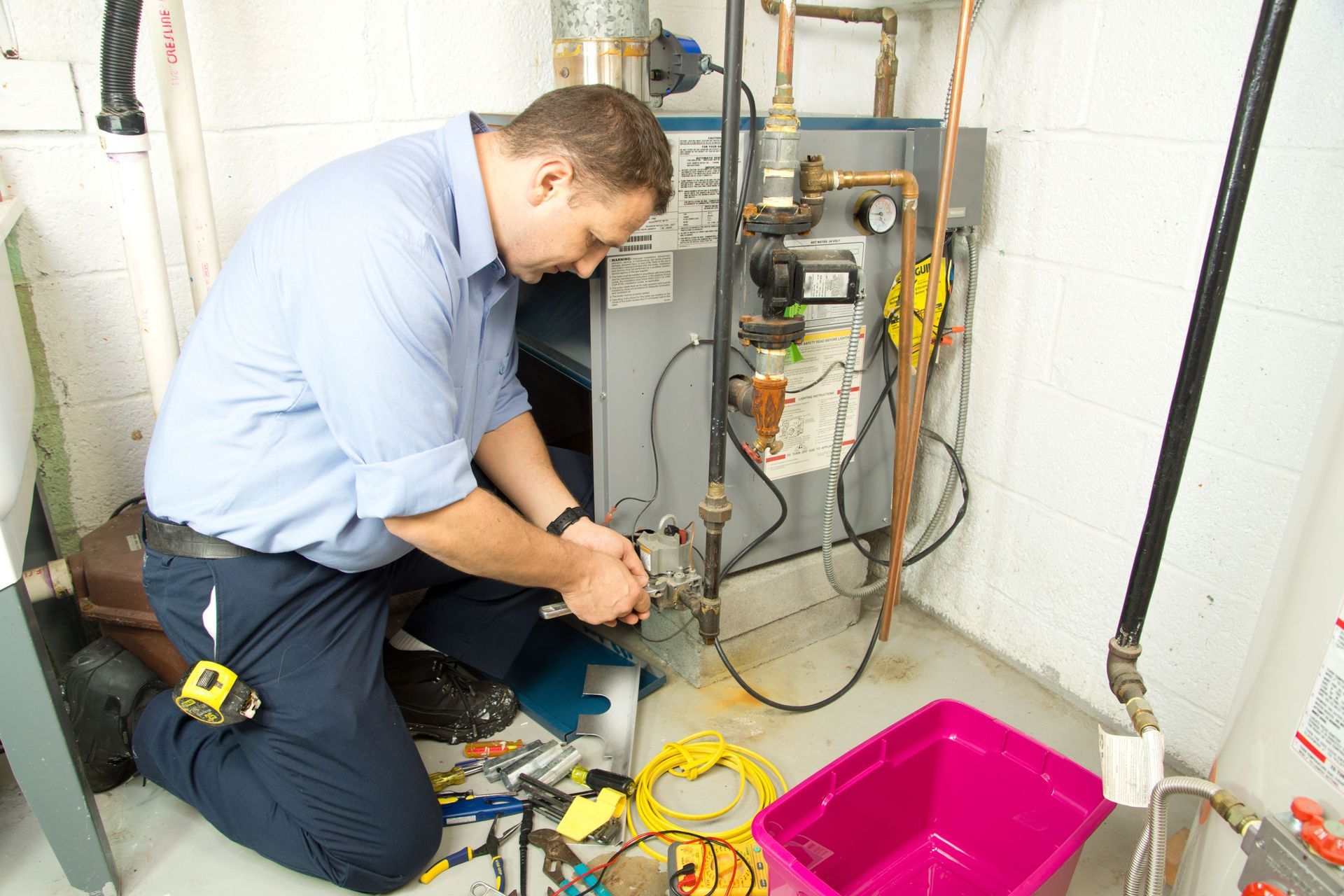
Modern cooling equipment combines refrigeration, electrical components, airflow, and electronic controls. Technicians need to understand how these systems interact and follow appropriate safety practices. When discussing AC service, ask how the provider keeps staff informed about current equipment and diagnostic methods. A clear answer can indicate a deliberate approach to technical work. Continuing education is particularly useful as newer systems introduce different controls and performance features.
Consider Professional Communication
Qualifications matter, but so does the ability to explain findings. A helpful technician describes the concern clearly and distinguishes observations from assumptions. You should understand what was examined and why a recommendation follows. This makes it easier to compare options without pressure.
Evaluate Diagnostic Practices
Look for Thorough Assessments
Weak airflow, warm rooms, unusual sounds, and frequent cycling can have several causes. A thorough assessment considers the reported symptoms and the system's operating condition before identifying a repair. Providers who explain their diagnostic process offer more useful information than those who recommend replacement based solely on a brief description.
Expect Relevant Measurements
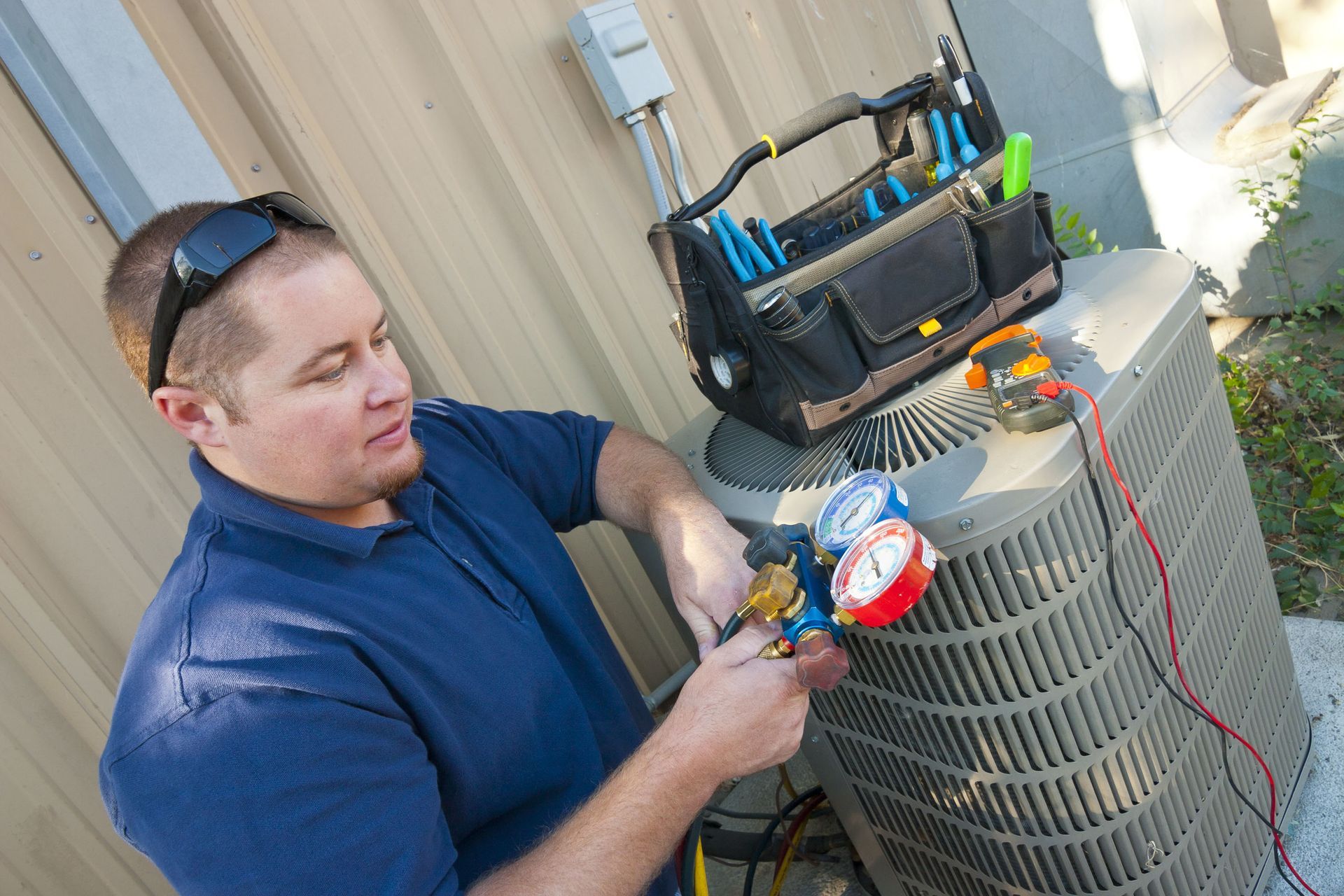
Depending on the complaint, technicians may evaluate temperatures, electrical operation, airflow, and other performance indicators. Measurements should support conclusions. Effective AC service connects test results to the problem you noticed, helping you understand whether the issue involves equipment, controls, or conditions elsewhere in the home.
Distinguish Symptoms From Causes
A room that stays warm might have an airflow problem, a thermostat issue, or a cooling equipment fault. Replacing a component without identifying the cause may leave the original complaint unresolved. Ask whether the proposed work addresses a confirmed problem and whether additional contributing conditions were considered.
Request Clear Findings
After an assessment, you should receive an understandable explanation of the condition discovered, the recommended work, and any uncertainty that remains. Photos or written notes may help when appropriate. Useful findings also clarify urgent and nonurgent concerns.
Compare Maintenance Approaches
Understand Visit Scope
Maintenance packages can sound similar while covering different tasks. Ask what the appointment includes, how long it typically takes, and whether the provider follows manufacturer guidance. Written descriptions of included inspections can be helpful when reviewing several maintenance plans. A defined scope makes comparisons easier and helps prevent misunderstandings about services that may require a separate visit.
Discuss Efficiency Concerns
According to the U.S. Department of Energy, air conditioning uses about 19% of the electricity consumed in American homes. That makes cooling performance an important consideration, although no single repair guarantees a particular reduction in bills. A provider offering AC service should explain whether identified conditions may affect efficiency and what improvements are realistically expected.
Review Equipment Age
Age provides context, but it does not establish whether a system needs replacement. Repair history, overall condition, comfort performance, and the availability of suitable parts also matter. A balanced provider discusses these factors instead of treating an older unit as automatically beyond repair. That perspective supports decisions based on the equipment you actually own.
Plan Appropriate Timing
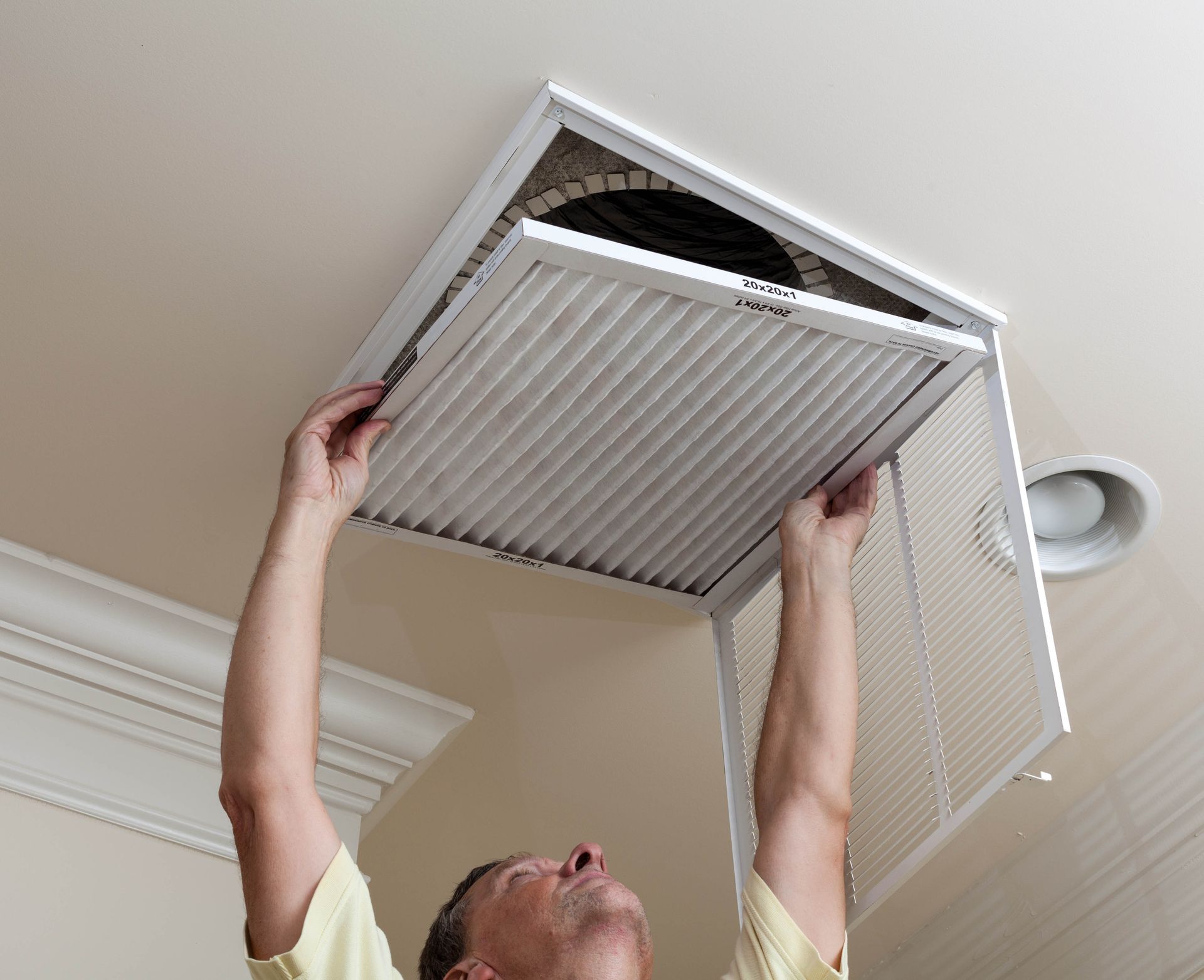
Maintenance before heavy seasonal use can help identify developing concerns and reduce inconvenient scheduling pressure. However, service intervals depend on equipment, climate, usage, and manufacturer recommendations. Ask for a schedule suited to your circumstances. Advance planning also gives you time to consider findings carefully. Keep any service documentation available for future appointments.
Examine Customer Communication
Compare Written Estimates
A useful estimate describes the proposed work, included materials, and any conditions that could change the total. It should distinguish diagnostic charges from repair charges when applicable. Comparing scope matters more than comparing a single number. Transparent estimates allow homeowners to understand what each company is actually offering.
Clarify Scheduling Expectations
Ask how appointments are confirmed, what arrival windows mean, and how delays are communicated. Some repairs depend on parts availability or further diagnosis, so exact completion times may not always be possible. Good AC service includes realistic updates, allowing your household to plan around temporary cooling interruptions.
Understand Warranty Terms
Manufacturer coverage and a contractor's workmanship warranty may address different issues. Ask which parts or services are covered, for how long, and whether any conditions apply. Written details reduce confusion if a related problem develops later. Avoid assuming that every replacement component carries identical protection.
Assess Follow-Up Support
Questions sometimes arise after a technician leaves. Find out how the company handles follow-up concerns, provides service records, and responds when a symptom returns. A clear process matters particularly for intermittent problems. Accessible communication can make ongoing care less stressful.
Match Services to Your Home
Consider Property Characteristics
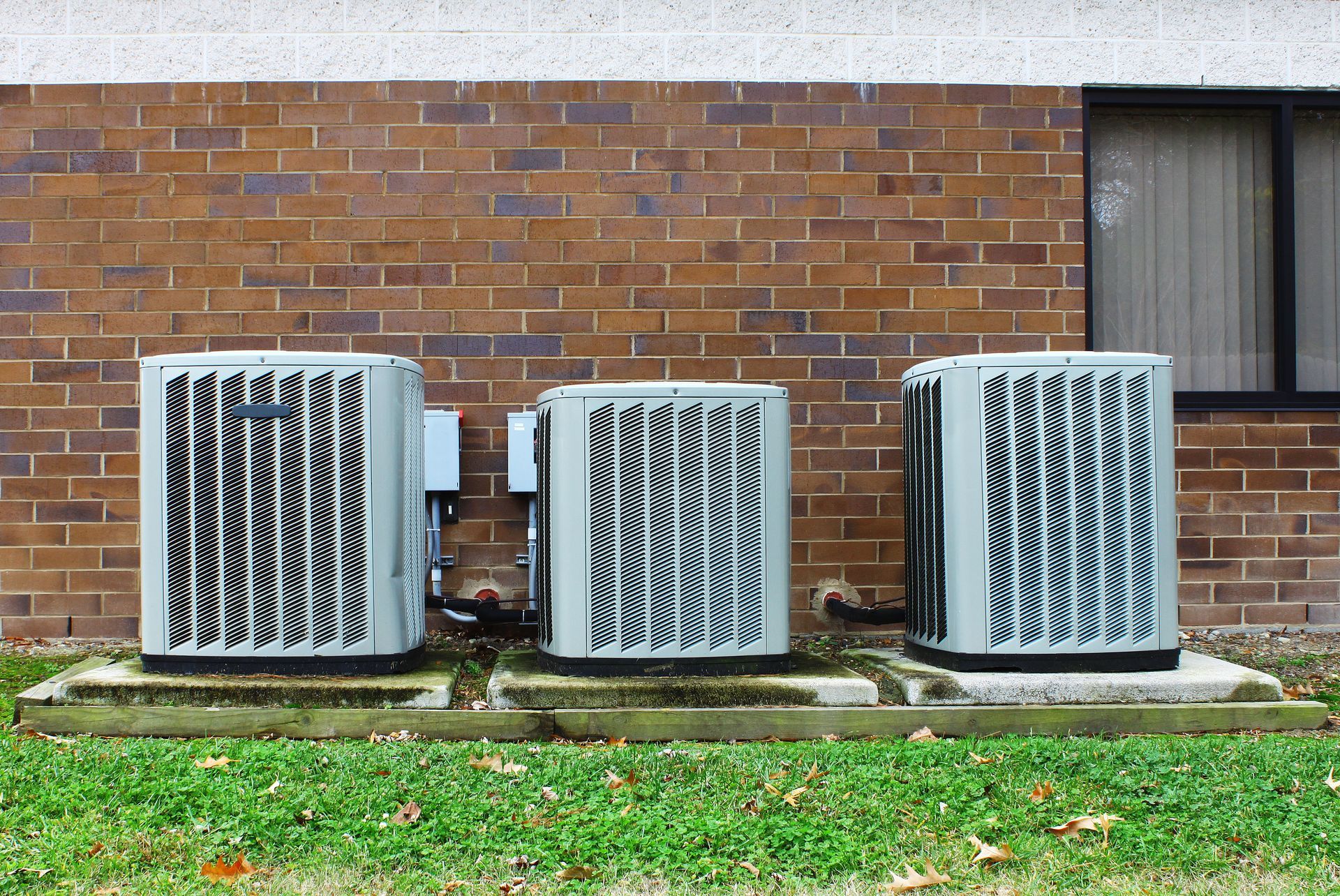
Floor plans, insulation, window exposure, and ductwork can influence how evenly rooms cool. A provider should recognize that discomfort is not always caused by the outdoor unit or indoor equipment alone. A broader discussion of home conditions can reveal why the same temperature setting feels different across rooms.
Describe Household Patterns
Work schedules, occupancy, and personal comfort preferences shape cooling demand. Some households need consistent daytime temperatures; others use most living spaces in the evening. Sharing these patterns helps a provider understand your concerns and recommend AC service that fits your daily routines.
Discuss Repair Alternatives
When a significant problem appears, ask about feasible repair options, limitations, and circumstances that might justify replacement. A balanced explanation should consider system condition, repair history, and expected performance without promising a precise lifespan. Understanding the tradeoffs helps you make a decision that suits your priorities.
Confirm Long-Term Fit
Choosing a provider is also about whether you feel informed and comfortable asking questions. Clear records, sensible recommendations, and consistent communication support future maintenance decisions. Look for a company willing to explain what your equipment needs today and what may deserve attention later, without sales pressure.
The right cooling professional combines suitable qualifications, careful diagnosis, transparent estimates, and attention to the home itself. Taking time to compare those qualities can make maintenance and repair decisions easier, even when the system is acting unpredictably. For an evaluation tailored to your equipment and comfort goals, contact Air Source Air Conditioning today to schedule AC service and discuss the next steps for your home.