March 19, 2026
Understanding the methods and tools an AC contractor uses to diagnose cooling issues can provide you with valuable insights and empower them to maintain your systems effectively. As the demand for central air conditioning systems continues to rise, with about 90% of American homes using AC, according to Forbes, understanding these diagnostic processes becomes ever more important. Let's explore the systematic approach taken by professionals to troubleshoot and resolve common cooling problems.
Visual Inspection of the AC System
Checking the Thermostat Settings
The visual inspection phase of diagnosing cooling issues starts with checking the thermostat settings. An incorrectly set thermostat could easily appear as a cooling system failure. Contractors confirm that the thermostat is set to the correct mode and temperature. They also ensure the settings align with homeowner preferences and seasonal demands. A flawed thermostat setting can be a simple fix to what might seem like a complicated issue.
Examining Air Filter Condition
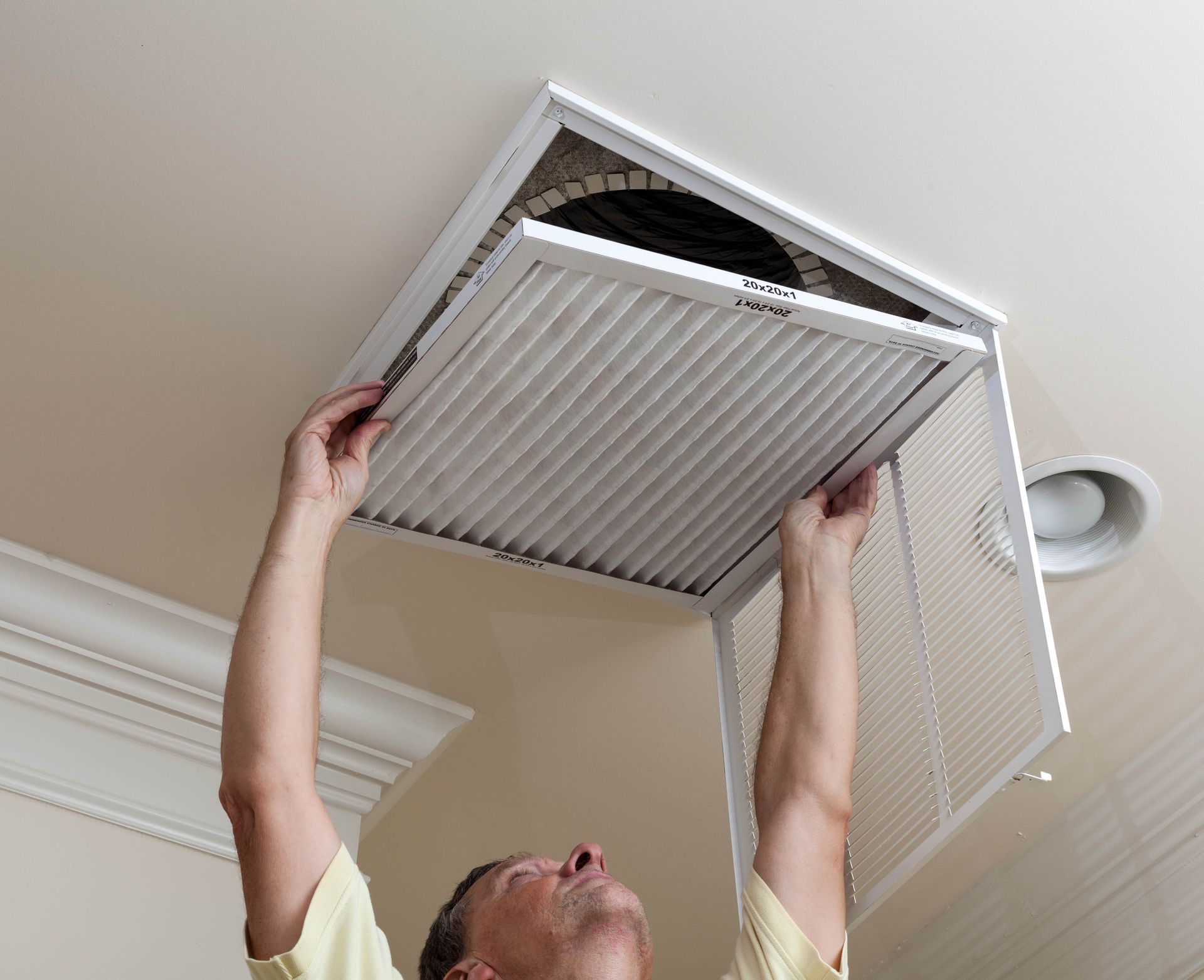
Examining the condition of air filters is a crucial step in visual inspections. Clogged or dirty filters can obstruct airflow, leading to reduced cooling performance and even system damage. An AC contractor will check the filter's condition and replace it if necessary, usually recommending a timeline for regular replacement too. This simple yet often overlooked step can substantially improve air quality and system efficiency. Routine inspections of air filters can prevent myriad problems before they arise.
Inspecting Indoor and Outdoor Units
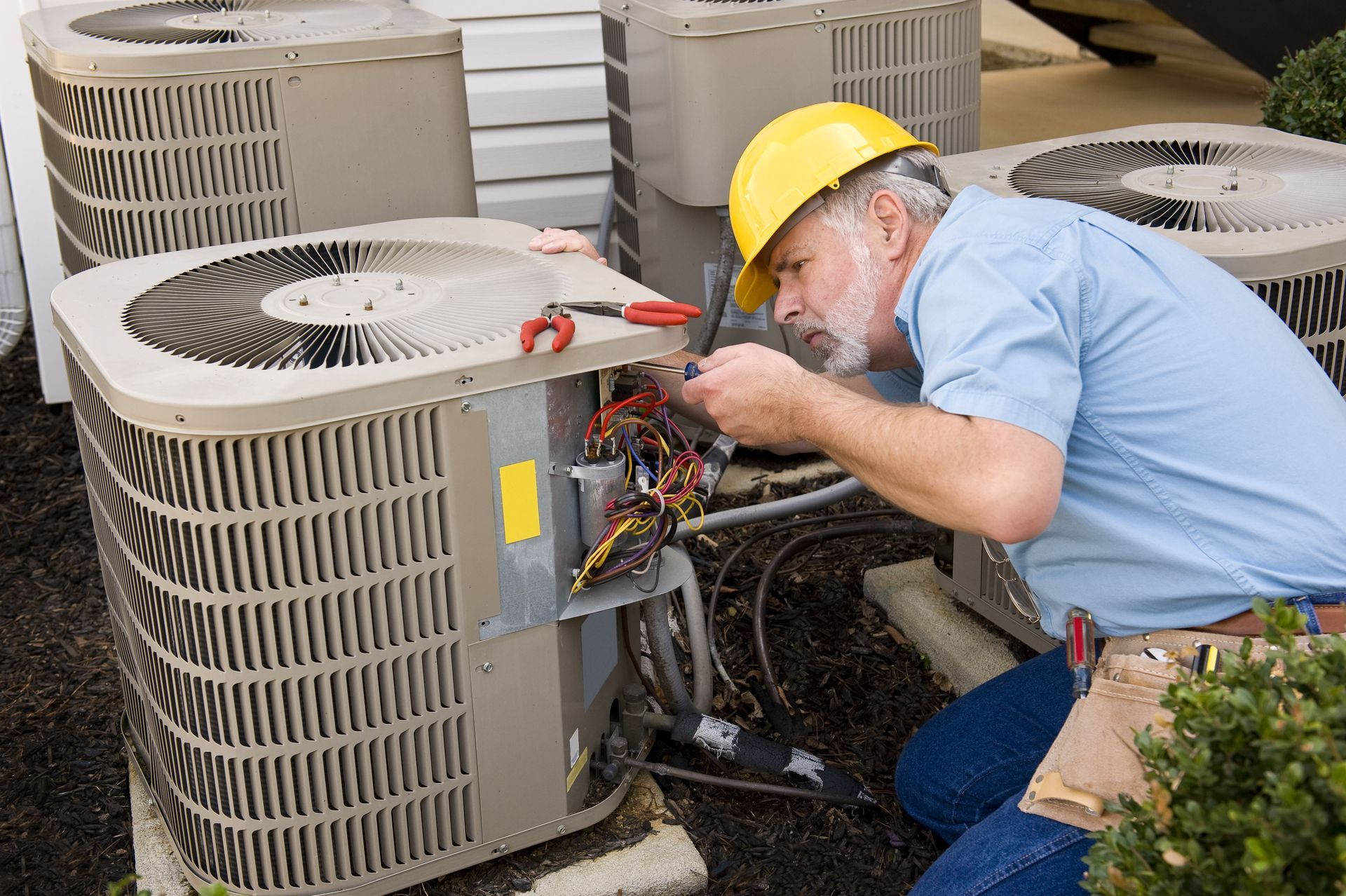
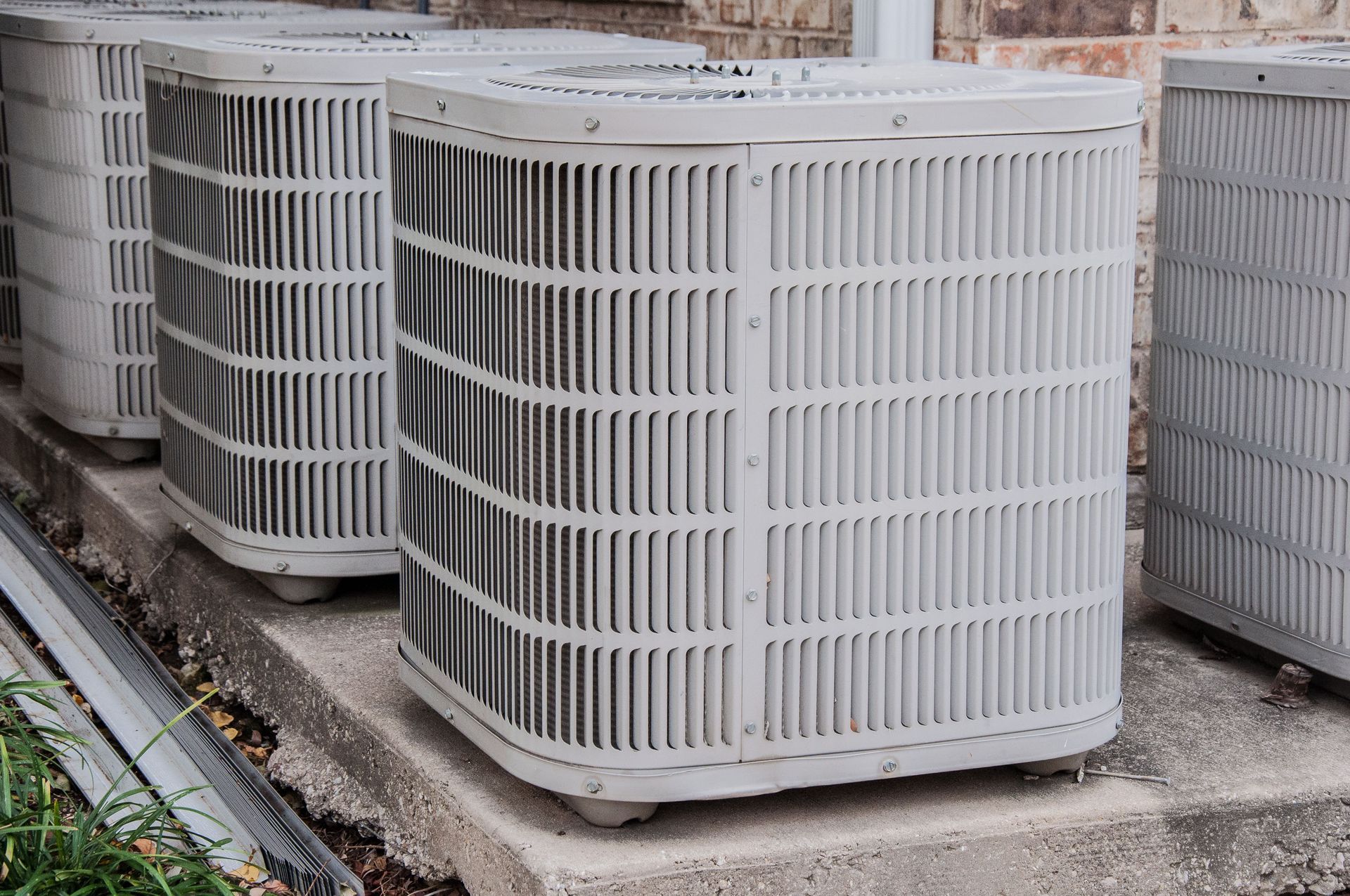
Inspection of the AC's indoor and outdoor units is a core aspect of diagnosing cooling problems. An AC contractor will look for visible issues, such as debris accumulation, rust, or physical damage to the units. They also ensure that the surrounding area is clear of obstructions to facilitate proper airflow. Issues in either unit can severely impact overall system performance. Careful examination can reveal potential areas of concern that require more focused attention.
Evaluating Electrical Components
Testing the Circuit Breakers
Electrical evaluations start with testing the circuit breakers linked to the AC system. Tripped breakers are a common cause of sudden system shutdowns and can indicate electrical overloads or short circuits. Contractors reset breakers to see if the issue resolves, while also considering potential underlying causes. Consistent problems with circuit breakers may indicate more serious electrical faults. Safe and correct breaker operation is fundamental to system functionality.
Inspecting Wiring and Connections
Inspecting electrical wiring and connections is crucial for identifying hidden issues. Loose or corroded connections can lead to erratic system behavior or even safety hazards. Contractors meticulously examine each connection point, tightening and cleaning as needed. They also ensure that all wiring follows proper electrical codes and standards. Proper electrical maintenance minimizes the risk of unexpected failures and prolongs appliance life.
Measuring Voltage and Current
Measuring voltage and current throughout the system helps diagnose electrical problems. Anomalies, such as voltage drops or excessive current draw, can highlight inefficiencies or potential failures. An AC contractor will use multimeters to verify that electrical readings match manufacturer specifications. Discrepancies indicate the need for further investigation, possibly targeting specific components. Regular monitoring of electrical parameters ensures consistent performance and reduces the risk of damage.
Testing Cooling Performance
Measuring Indoor Air Temperature
Measuring indoor air temperature is a foundational aspect of evaluating cooling performance. Contractors use thermometers to assess how well the system maintains comfortable temperatures compared to the thermostat setting. Consistent discrepancies might indicate underlying problems such as refrigerant issues or poor airflow. Accurate temperature measurement is critical for understanding cooling efficiency. Contractors analyze the data to guide further testing and potential solutions.
Calculating Temperature Differential
Calculating the temperature differential between intake and outflow air provides deeper insights into system performance. Contractors measure temperatures at the return air vent and the supply registers to determine how efficiently cooling is occurring. A smaller than expected differential can indicate problems like refrigerant deficiencies or inoperative compressors. This metric is an important diagnostic tool for pinpointing inefficiencies. Addressing identified issues ensures the system operates at optimal capacity.
Ensuring Proper Airflow
Ensuring proper airflow throughout the system is critical for achieving effective cooling. Blockages or imbalances can result in uneven cooling distribution and increased energy consumption. Contractors inspect for obstructions such as closed vents or blocked ducts, advising on corrective actions to improve airflow. Optimizing airflow can resolve many common cooling complaints, enhancing overall system efficiency. Good airflow management is a key component of effective system performance.
Assessing Refrigerant Levels
Understanding Refrigerant Types
Understanding refrigerant types is crucial for accurate assessment and maintenance of air conditioning units. Different systems use specific refrigerants, each with unique properties and safety considerations. Contractors confirm the type used and ensure compliance with environmental regulations and guidelines. Familiarity with refrigerant types is crucial for effective diagnostics and repairs. Properly managing refrigerants also minimizes environmental impact, aligning with best practices and legal requirements.
Using Manifold Gauges
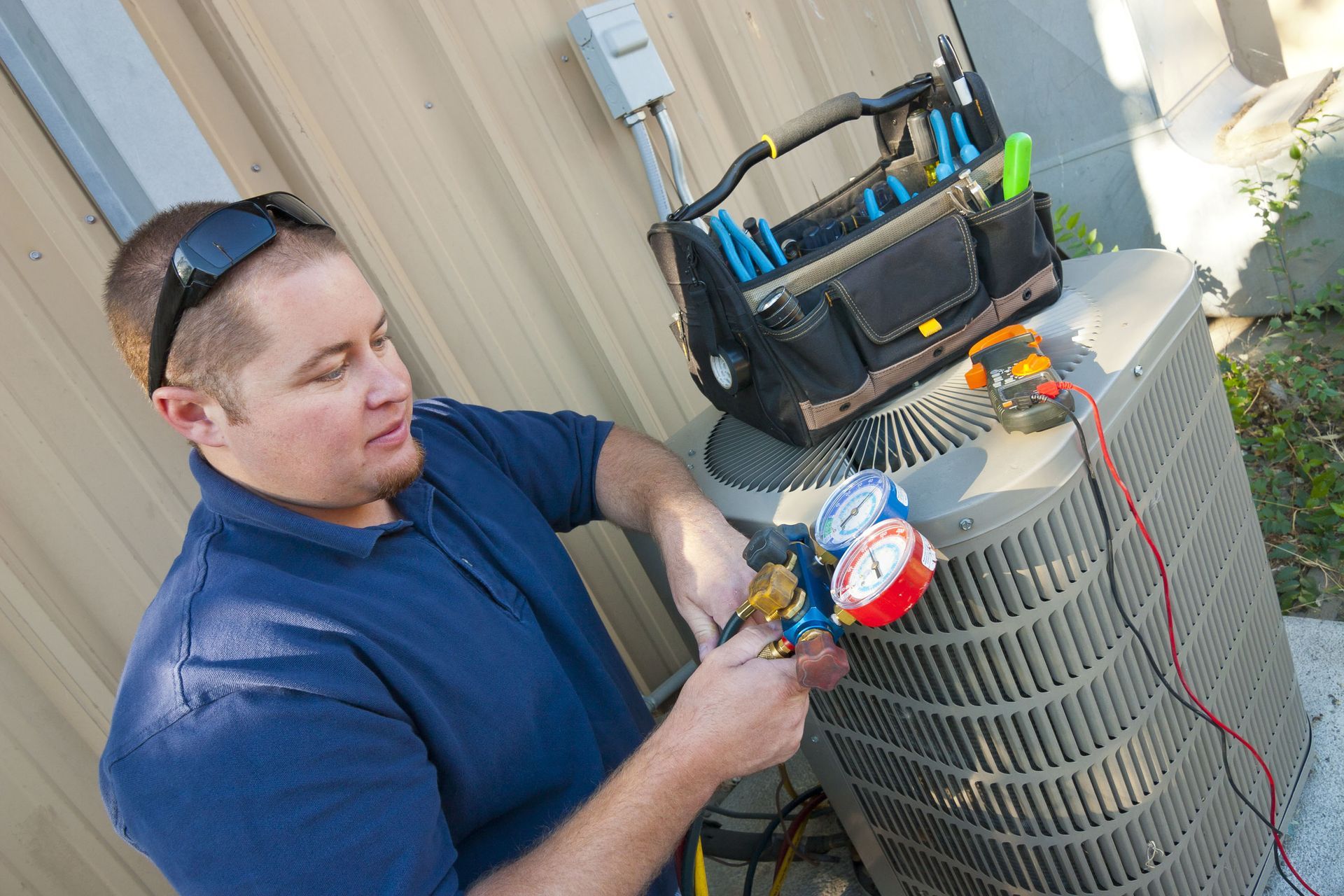
Contractors use manifold gauges to measure refrigerant pressures, aiding in diagnostics and system evaluations. These tools help identify low refrigerant levels or pressures outside the expected range. Contractors compare readings against manufacturer specifications to determine necessary adjustments. Gauges are essential for accurate analysis of refrigerant systems, providing insights into potential issues such as leaks. Proper gauge readings are core to ensuring efficient and reliable system performance.
Detecting Leaks With a Leak Detector
Detecting leaks with a leak detector is a vital task in maintaining system efficiency and safety. Even minor leaks can cause significant performance degradation and environmental harm. Contractors use electronic leak detectors to locate leaks precisely, facilitating prompt and effective repair. Detecting and resolving leaks is crucial to maintaining refrigerant levels and system integrity. Professional leak detection ensures compliance with environmental standards and minimizes operational disruptions.
Recharging the System
Recharging the refrigerant system is sometimes necessary following leak repairs or pressure adjustments. Contractors employ safe practices to replenish refrigerant, ensuring the system returns to peak capacity. Proper recharging involves careful measurement and adherence to specifications to avoid overcharging. The process restores effective cooling performance, addressing temperature inconsistencies within the home. Recharging the system is a critical step in maintaining overall functionality and efficiency.
Addressing Environmental Factors
Examining Insulation Quality
Examining insulation quality is a crucial factor in maintaining efficient cooling within a home. Poorly insulated homes lose cool air quickly, putting extra strain on the AC system and increasing energy costs. Contractors assess areas like attics, walls, and ducts for adequate insulation levels. Recommendations for insulation improvements can lead to significant energy savings and enhanced comfort. Proper insulation is key to maximizing AC efficiency and reducing operational burdens.
Assessing Ventilation Needs
Assessing ventilation needs ensures that fresh air circulates adequately throughout living spaces. Insufficient ventilation can cause cooling inefficiencies and degrade indoor air quality. Contractors evaluate existing ventilation systems, suggesting enhancements if necessary, such as installing additional vents or fans. Effective ventilation supports balanced air distribution and contributes to the overall performance of the cooling system. Adequate ventilation is vital for maintaining a healthy and comfortable home environment.
Identifying Heat Sources
Identifying external heat sources that impact indoor cooling performance is crucial for effective diagnosis. Contractors look for elements like large windows, sunlight exposure, or nearby electronics, which can contribute to increased heat gain. Addressing these factors through window treatments or strategic shading minimizes their impact on cooling efficiency. Proper management of heat sources helps maintain desired temperature levels and lowers energy requirements. Awareness of these factors allows for more precise system adjustments.
Reviewing Seasonal Temperature Changes
Reviewing seasonal temperature changes allows contractors to adjust system settings and maintenance schedules accordingly. Systems must accommodate seasonal shifts, from high demand in summer to minimal workload in winter. Contractors advise measures like pre-season tune-ups to ensure systems perform optimally despite temperature fluctuations. Preparing for seasonal changes prevents unnecessary strain and extends the lifespan of cooling equipment. Consideration of seasonal impacts enhances system adaptability and reliability.
An AC contractor will employ a comprehensive diagnostic process to identify and resolve cooling issues in residential homes effectively. By understanding each step, you can better appreciate the intricate tasks involved and potentially collaborate with professionals to maintain optimal system performance for years to come. To learn more, reach out to the experts at Air Source Air Conditioning today!