January 20, 2026
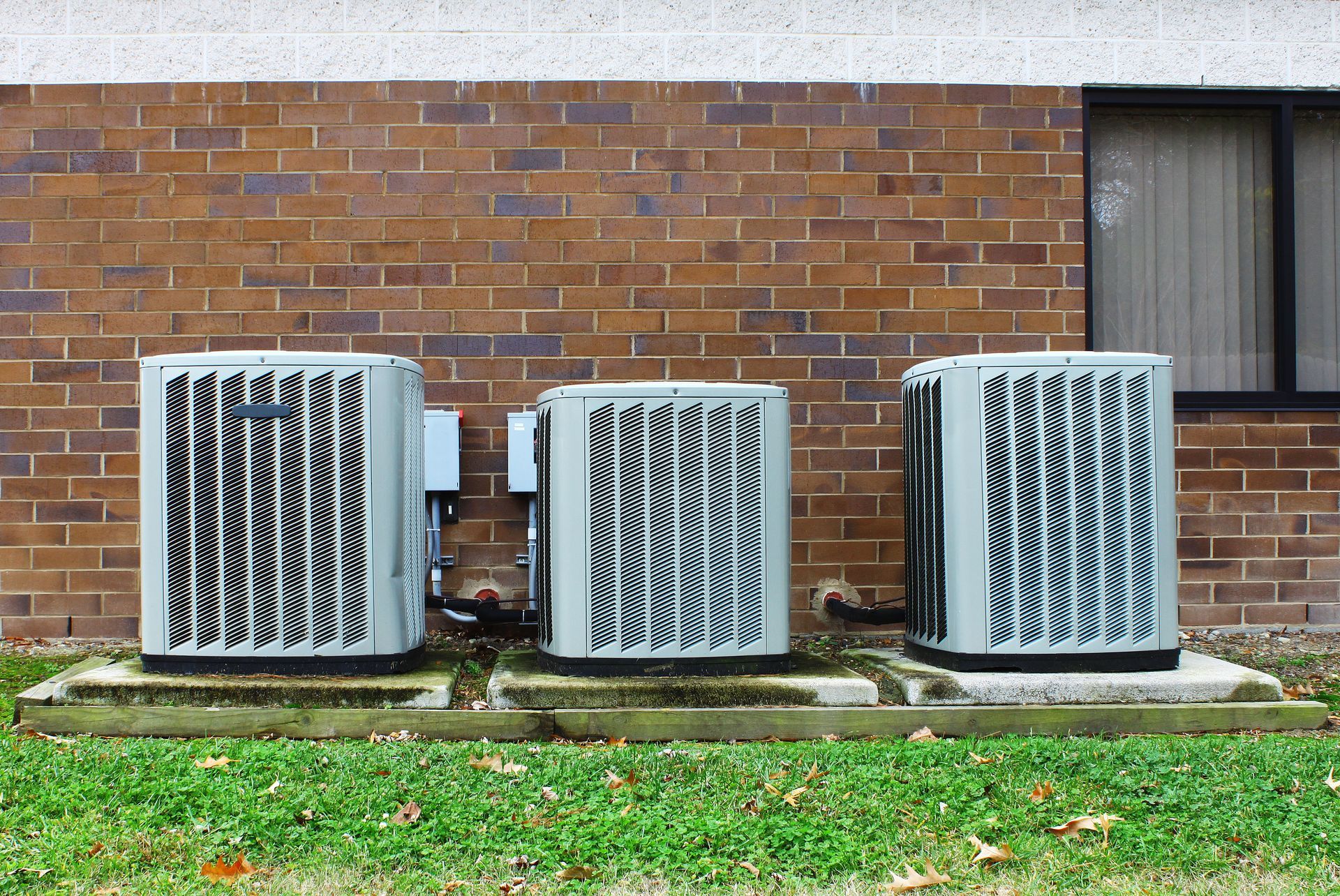
Air conditioning systems are often treated as background infrastructure, something homeowners expect to work quietly until the day it does not. Because cooling systems do not always fail dramatically, it can be easy to postpone care, ignore early warning signs, or assume that small issues can wait. Unfortunately, delaying AC services often creates a chain reaction of avoidable problems that affect comfort, efficiency, and cost.
In warmer climates, especially, air conditioning plays a critical role in maintaining livable indoor conditions. What begins as a minor inconvenience, such as uneven cooling, unusual noises, or slightly higher energy bills, can develop into broader performance concerns when routine attention is deferred. Understanding common homeowner missteps helps reduce unnecessary disruptions and system strain.
Address Preventative AC Care
One of the most common misconceptions homeowners hold is viewing cooling system care as optional rather than preventative. Many people wait until a system stops cooling altogether before requesting assistance, assuming professional involvement is only necessary during emergencies. This reactive mindset often allows small issues to grow unchecked.
Air conditioning systems are mechanical by nature, and their components experience wear over time. Without routine inspections and adjustments, minor inefficiencies can accumulate and affect overall operation. Preventative care allows emerging concerns to be addressed earlier, when they are easier to manage.
Skipping scheduled attention does not reduce long-term costs. Instead, it frequently results in larger repairs and more extensive system issues that could have been avoided with earlier AC services. Preventative attention supports consistency rather than forcing systems to recover after disruption.
Monitor Minor Performance Changes
Another frequent mistake is dismissing subtle changes in system behavior. Reduced airflow, longer cooling cycles, or rooms that struggle to reach set temperatures are often attributed to seasonal shifts or normal aging. Over time, these assumptions can mask developing problems.
These symptoms may point to airflow restrictions, system strain, or calibration concerns.
Without timely AC services, these conditions can increase stress on the system and reduce operational consistency. What begins as a minor inconvenience may gradually affect overall performance.
Issues that could have been resolved during a routine tune-up may later require more involved repair work. Homeowners often underestimate how quickly small inefficiencies escalate when left unaddressed. Early evaluation helps preserve system stability.
Schedule Timely System Repairs
Many homeowners wait until an air conditioner fully stops working before scheduling professional help. While this approach may seem practical, it often leads to extended downtime and increased discomfort. Complete failures tend to occur at the least convenient times.
Delaying AC services until total failure also limits repair options. When a system operates under strain for prolonged periods, multiple issues may surface simultaneously rather than remaining isolated. This can complicate resolution efforts.
During peak cooling seasons, service availability may be more limited. Proactive attention reduces the likelihood of unexpected outages when dependable cooling is most important.
Maintain Seasonal AC Systems
Seasonal maintenance is frequently overlooked when systems appear to be operating normally. Many homeowners assume that consistent airflow means inspections are unnecessary. This assumption can allow hidden wear to progress unnoticed.
Spring HVAC maintenance and winter HVAC maintenance serve different purposes. Seasonal AC services help prepare systems for temperature changes, confirm operational readiness, and address gradual wear. Skipping these appointments increases the risk of performance concerns during high-demand periods.
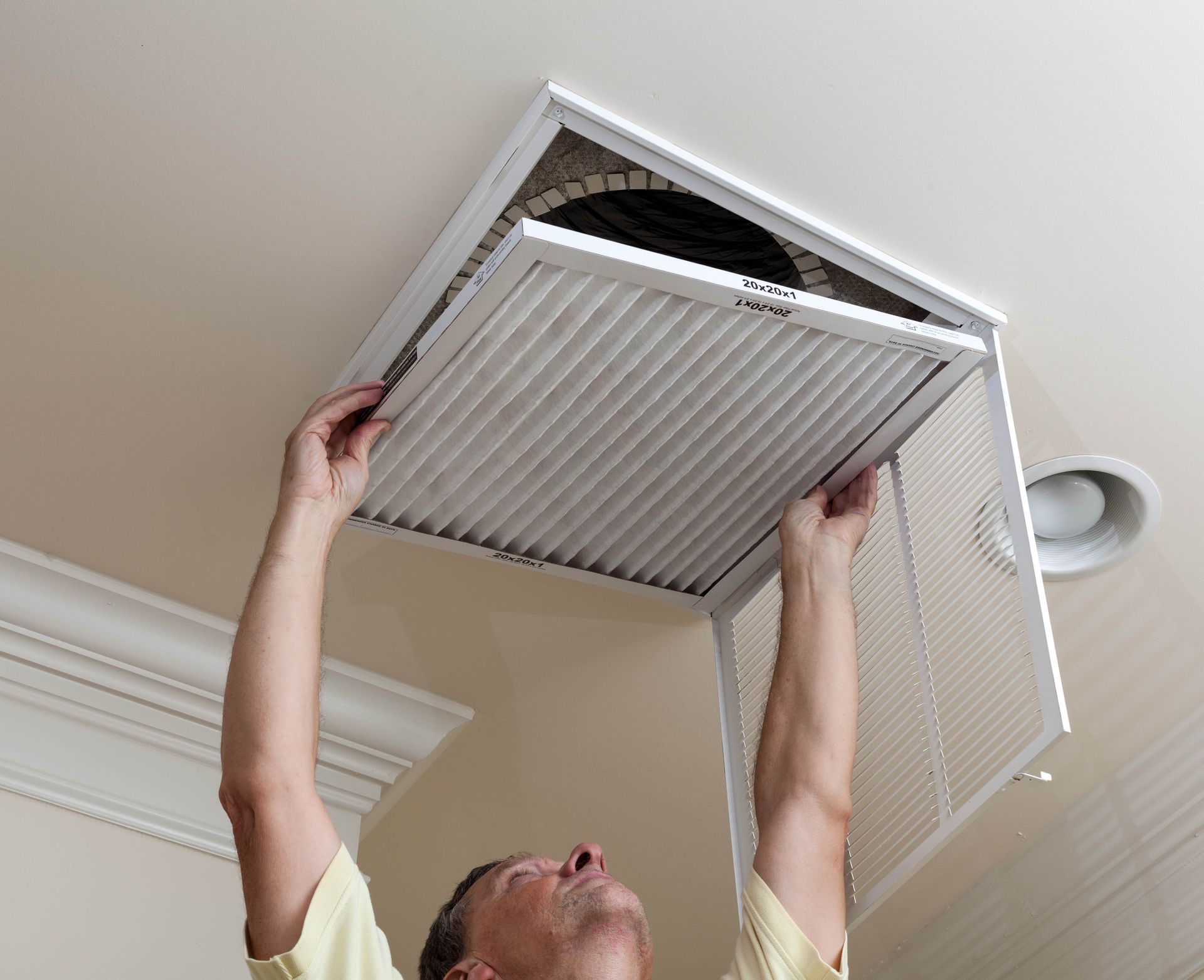
Seasonal care also helps identify environmental factors such as dust accumulation or humidity-related wear. Over time, ignoring these influences can affect comfort and system responsiveness. Consistent evaluation supports long-term efficiency.
Perform Routine Tune-Ups
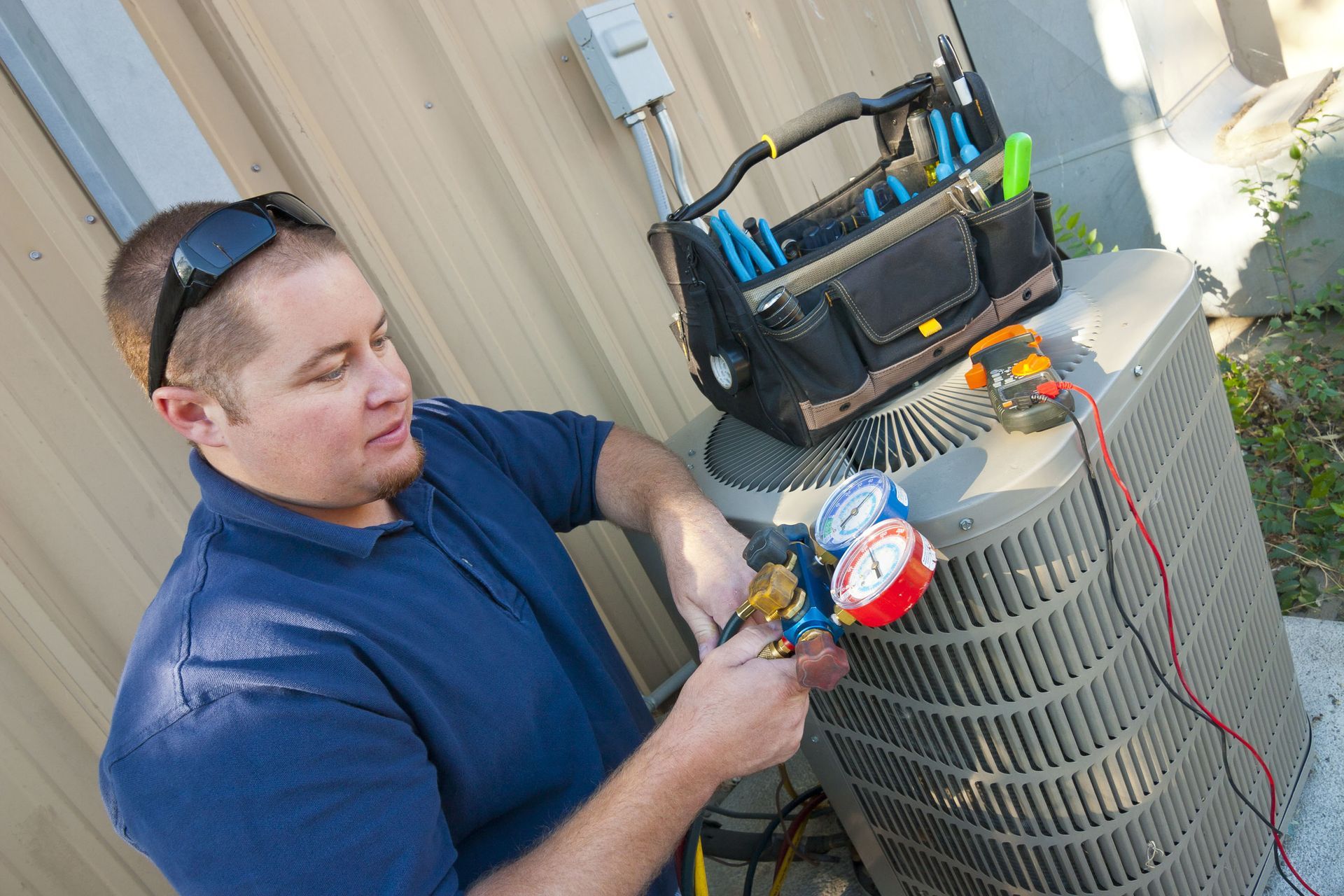
Tune-ups are sometimes viewed as optional rather than essential. In practice, they play a central role in maintaining balanced operation and system efficiency. Routine tune-ups support early issue identification.
Without regular tune-ups, systems can gradually drift out of alignment. Thermostats may lose accuracy, airflow may become uneven, and energy use may increase without noticeable comfort gains. These gradual changes are easy to overlook.
Homeowners who skip tune-ups often experience inconsistent cooling patterns. Routine AC services help restore balance and support steady performance over time.
Ensure Proper Installation Quality
Some homeowners assume that once an air conditioner is installed, long-term performance depends solely on daily use. This belief overlooks the importance of proper installation and follow-up care. Installation factors influence how systems operate over time.
Issues related to sizing, placement, or airflow configuration can affect efficiency and consistency. These concerns may appear as uneven cooling or frequent cycling. Without evaluation, they may persist unnoticed.
Ongoing care supports proper operation following installation. AC services help ensure systems continue functioning as intended rather than compensating for early setup issues.
Evaluate HVAC Zoning System Operation
Homes with HVAC zoning systems sometimes receive uneven attention across different areas. Homeowners may prioritize frequently used spaces while overlooking others. This imbalance can affect overall system behavior.
Zoning systems operate in coordination with the broader cooling setup. Delayed AC services may allow zoning-related airflow or balance issues to develop unnoticed. These imbalances can influence system efficiency.
Ongoing evaluation helps ensure zoning components continue operating cohesively. Consistent care supports even comfort distribution without placing unnecessary strain on the system.
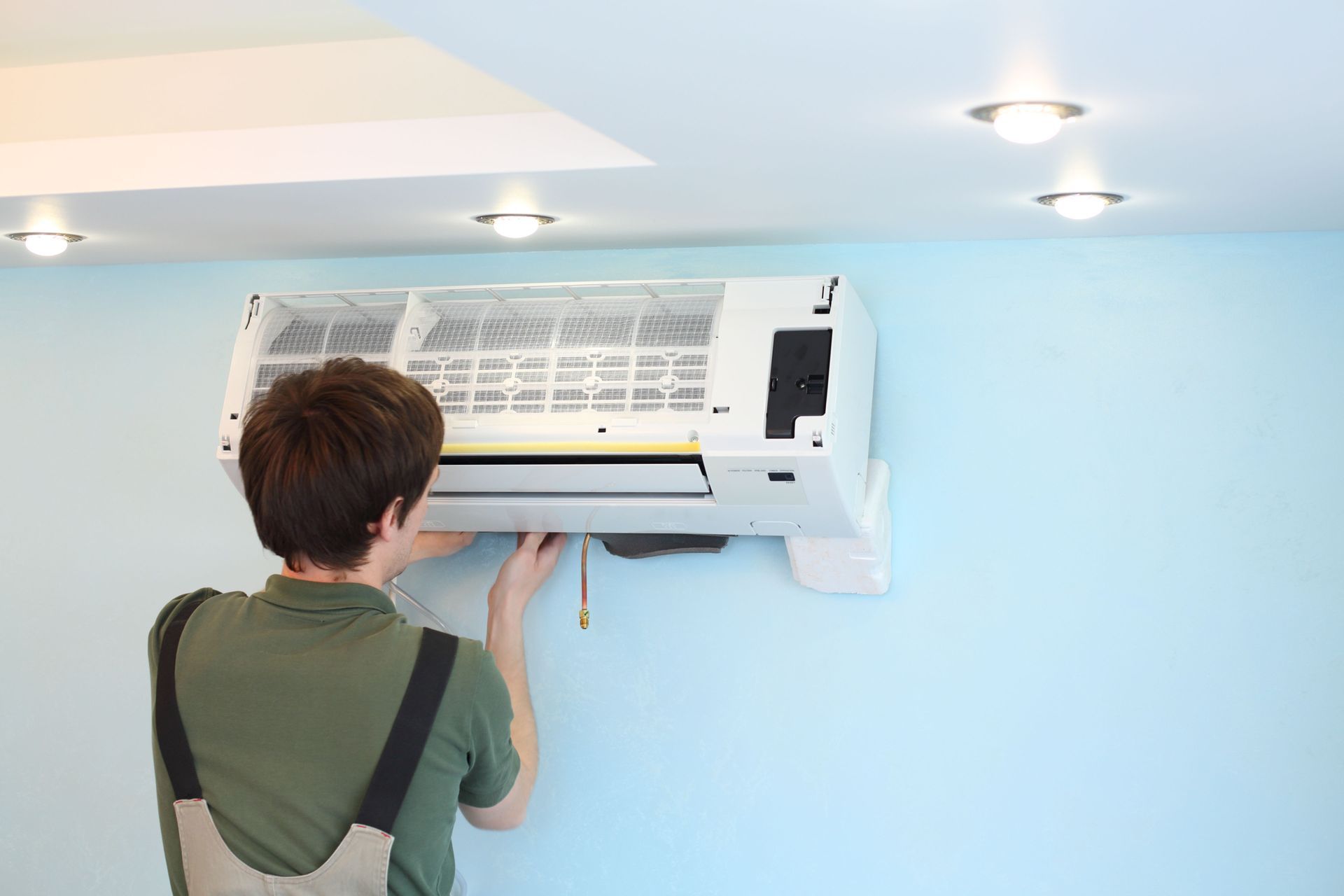
Service Mini-Split Systems Regularly
Mini-split systems are often considered low-maintenance alternatives. This perception can lead homeowners to postpone professional attention longer than recommended. Over time, this delay can affect system responsiveness.
Without periodic inspection and cleaning, mini-split components may experience reduced airflow or uneven temperatures. Gradual performance decline may occur without obvious warning signs. Maintenance supports consistent output. Timely attention helps preserve comfort and system efficiency. Regular AC services support stable operation across different cooling setups.
Optimize Energy Efficiency Through Maintenance
Energy efficiency is often one of the first areas affected when maintenance is delayed. Systems under strain or affected by buildup must work harder to meet cooling demands. This added effort can go unnoticed initially.
Homeowners may observe rising utility costs without connecting them to system upkeep. Over time, efficiency losses become more apparent. Routine evaluation helps maintain intended performance levels. Inspections and adjustments support efficient operation. Clean components and proper calibration reduce unnecessary workload on the system.
Mitigate Safety Risks From Cooling Delays
Comfort and cost often drive service decisions, but safety considerations are sometimes overlooked. Excessive indoor heat can pose serious risks, especially during extended hot periods. Dependable cooling supports indoor livability. According to Reuters, New York City’s 2024 Heat Mortality Report estimated that about 350 New Yorkers die prematurely each year due to extreme heat, with lack of home AC identified as the primary risk factor. Delaying AC services increases the risk of system disruption during extreme temperatures. Consistent operation becomes especially important during prolonged heat events.
Assess the Financial Impact of Deferred Maintenance
Some homeowners delay professional care in an effort to reduce immediate expenses. However, deferred AC services often result in higher long-term costs. Larger repairs and inefficiencies can outweigh routine upkeep. Preventative maintenance spreads attention more evenly over time. Delayed care concentrates issues into unexpected situations. Understanding this balance helps guide better decisions. Recognizing the cost implications of inaction encourages more proactive planning. Routine care supports predictability.
Resolve Repairable System Issues Early
Many system concerns begin as manageable issues. When identified early, they can often be addressed efficiently. Delays allow these concerns to affect additional components. Electrical wear, airflow inconsistencies, and refrigerant-related concerns may become more complex over time. Escalation often results in extended downtime. Early evaluation supports stability. Timely attention protects overall system performance. Addressing concerns early reduces disruption.
Plan Ahead for Seasonal Demand
Waiting until peak summer temperatures to schedule service may limit availability. Planning ahead supports smoother scheduling and preparedness. Seasonal planning reduces last-minute challenges. Spring HVAC maintenance supports increased cooling demand, while winter HVAC maintenance addresses off-season wear. Together, these services help maintain readiness. Proactive scheduling supports consistent performance. Planning ahead reduces stress during high-demand periods. Systems benefit from steady care cycles.
Delaying professional care creates avoidable risks, costs, and comfort challenges that compound over time, making routine AC services an important part of responsible home maintenance. From installation and repair to tune-ups, zoning support, mini-split care, and seasonal maintenance, consistent attention helps cooling systems operate smoothly when they are needed most. Homeowners seeking comprehensive support across every stage of system care can rely on Air Source Air Conditioning to support their cooling needs with experience and consistency.